
"Systems Thinking": Fashion's Ugly Step Sister
An intro to "Syshion."

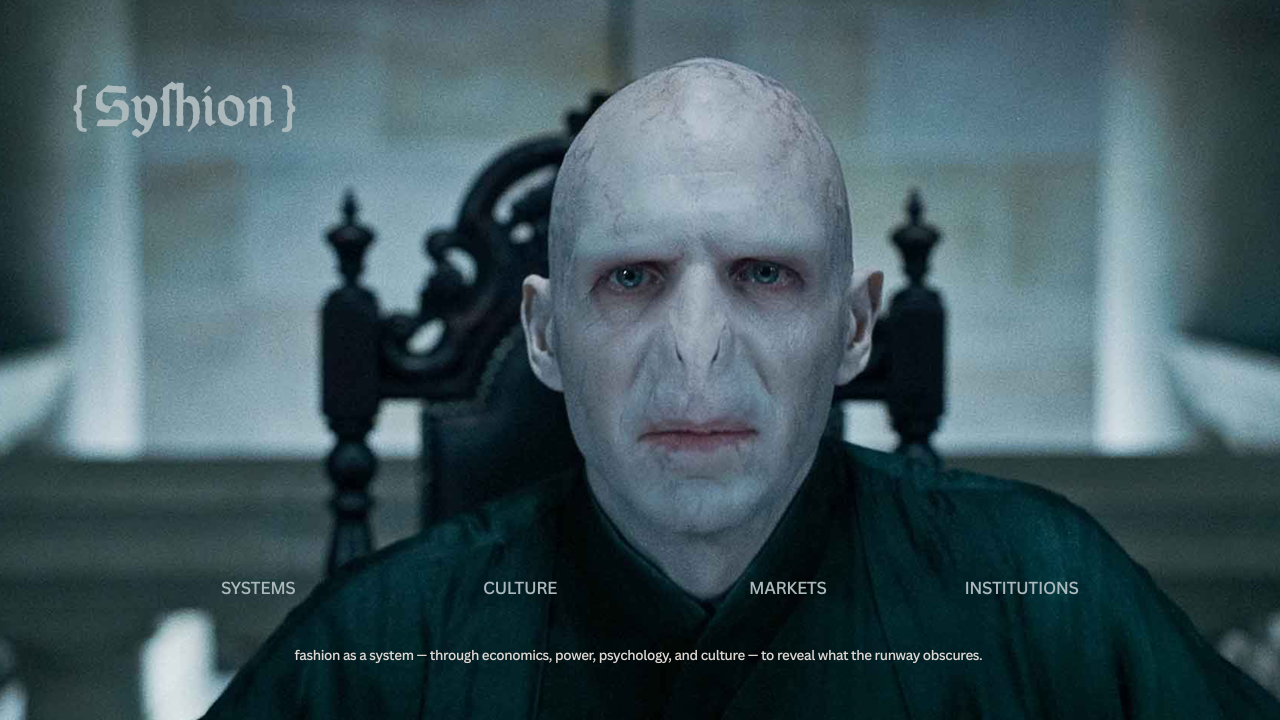
Discussing the deeper systems that shape fashion, beyond just ethics and sustainability
Defined by Daniel Kim in “Introduction to Systems Thinking, Systems thinking is “...a way of seeing and talking about reality that helps us better understand and work with systems to influence the quality of our lives” (Kim,1999, p. 2). Everything has a system, including the fashion industry. From the way clothes are made and sold to the influences that make us wear them. Systems make the world go round, whether good or bad. I don’t think I am overstepping when I say that most of us have qualms with these same systems.
Fashion has a pre-conceieved notation of being frivolous or superficial. Something everyone participates in, but not everyone wants to analyze. When most people think about “systems thinking” in fashion, the conversation quickly turns into saving the environment or fighting for labor rights. Those are important, but there’s much more happening on a larger scale. This blog exists because I couldn’t find conversations about the other systems at play: how trends create herd mentality, how creative freedom is determined by invisible forces, and how brands and consumers can break out of the mold.

The Syshion Pillars
First and foremost, at Syshion, we break things down into four pillars, giving readers an outline of the different systems within society and how they connect to fashion. The aim is not only to throw theories at you, but to get your wheels spinning on how we can all improve in our roles as we participate within the industry. Or you can just sit back and enjoy the content, no need to think TOO hard. And no, we aren’t snobs or elitist academics, we are still learning too!
Pillar One: Systems
Systems, we categorize this pillar as anything related to Labor & Political Economy. When an article is tagged with this label, it is likely to address subjects related to existing Supply Chains, Labor Exploitation, Capital Concentration, and Conglomerate Structures. There are too many stories where not only Brandy Mellville and Abercombie employees were treated terribly, but consumers frequently forget about sweatshop and cotton workers overseas. Yeah, we hear about these instances, but sometimes we leave way too much to the government and the fashion industry to solve these problems. Even though we ourselves still shop at the same places. We're all about “protecting our peace” when our friend is just being human, but won’t protect the peace of others and our planet when we have the chance to simply shop elsewhere.
Pillar Two: Culture
Culture, the big “influence” people & companies think they have over others. Posts may include: Shaping Culture and Identity, Cultural Capital, Class Signaling, and Representation. Just like old Hollywood, fashion has hierarchical systems that not only designers/brands have to follow when associated with a house (i.e., like Christian Dior —→ LVMH), but also trickle down to it's consumers. The power that major companies have over trends and consumer behavior, which shape even our identity through clothing, is something more people should be paying attention to. So much so that people who shape their own culture through a community or traditional lens get confused when their 100-year-old tradition, passed down through generations, becomes a TikTok trend. With the power of social media, it’s even more relevant yet also more obvious... yet still ignored.
Pillar Three: Markets
Markets, more like Behavioral Economics & Hype. Yes, we are talking about the “hype beasts”, Herd Mentality, Scarcity Mindset/Exclusivity, Status, and Social Proof. You know how Birkins “lost their value” according to bratty 1 percenters? Walmart e-commerce’d that thang. The majority of the time, the goal post for what’s exclusive in ~Nepobaby Mania~ changes because we find out their gate-kept secrets. At Syshion, we know why that happens, and we want to make these microaggressions known so that we can curate our own systems.
Fitting in with people who don’t want us there in the first place is pointless anyway. One minute, an item is the hottest thing on earth; the next, it’s no longer a sign of wealth because it’s just too damn accessible. How do we find our own identity and curate our own markets outside of what THEY say is cool? Altering patterns can “shake the tables” they provide the bread for. There are plenty of talented brand owners/designers that aren’t fatphobic, xenophobic, MAGA, or just plainly NOT silent because it’ll ruin a brand’s message - but yet we still try and convinece others that we are worthy.
Pillar Four: Institutions
aaaand Institutions. Organizational Psychology & Brand Collapse, Leadership Cycles, Creative Burnout, Corporate Governance, and Founder vs Conglomerate Tension. The other day, The Business of Fashion posted an article by Lei Takanashi, titled, “What to do when Reddit turns on your brand”... YIKES. Brands wouldn’t have to worry about ending up on Reddit so much if they stopped tirelessly replacing creative directors and following all consumer behavior that is NEVER SATISFIED! This often leads to poor product quality, loss of a loyal customer base, mismatched leadership, and weird campaigns that don’t even align with the brand identity. Apparently, having mini-wars with people who work for you and your paying customers is a fight conglomeration loves to participate in.
We’ve got systems in fashion that fashion doesn’t even understand. It’s been proven recently that customers want longevity and quality products, not to spend money in places where an algorithm's satisfaction is more important than theirs. Consumers have more power than we realize; we can recreate those systems simply by participating in something other than letting our phones and major brands decide our next purchase. This can also ensure that creative directors know their audiences and stay just as loyal.
Destroying the Structural Pattern
You know why we are asking for better sustainable practices? Because brands are cutting corners on quality products to appeal to large audiences and trends, they don't even care about. Now here's the pattern of the industry: They talk, talk, talk about “change,” but mostly stay within narrow lanes of ethics and sustainability (which are VERY important by the way). Even though America is still a work in progress, we are seeing major changes in government overseas in the EU to move forward with sustainable efforts. Meanwhile, groupthink and commercial pressures limit creativity, and only a few voices shape what becomes possible. These ways of thinking as consumers give brands the impression that they need to keep up with our algorithmic needs.
This blog wants to highlight and challenge those patterns. If we keep ignoring these hidden systems, fashion will stay predictable and exclusive, and we’ll keep missing out on innovation, diversity, and genuine fun. By taking a systems thinking approach (without the jargon or gatekeeping), we can build a different kind of conversation, one that welcomes curiosity, disagreement, and creativity.
Join the Syshion team as we discover the hidden and not-so-hidden systems within fashion in order to change fashion one thought piece at a time. Keep in mind that subscribing will take you on a journey where we uncover new gems and curate new theoretical systems. This is gonna be a bumpy ride, but we'll make it fun!
Sources:
Kim, Daniel H. “Introduction to Systems Thinking.” Pegasus Communications, 1999. “...a way of seeing and talking about reality that helps us better understand and work with systems to influence the quality of our lives.”
Brandy Melville Labor Practices: “The 5 Most Harrowing Charges from HBO’s Brandy Melville Documentary”, Daniel Rodgers, Vogue, 12 April 2025, https://www.vogue.com/article/the-5-most-harrowing-charges-from-hbos-brandy-melville-documentary
Abercrombie & Fitch Employee Treatment: “Abercrombie & Fitch must pay for ex-CEO’s criminal sex trafficking defence”, Rianna Croxford, BBC News, 13 March 2025, https://www.bbc.com/news/articles/c15q7wnq2j2o
Sweatshop Workers: “The truth behind your $12 dress: Inside the Chinese factories fuelling Shein’s success”, Laura Bicker, BBC News, 12 January 2025, https://www.bbc.com/news/articles/cdrylgvr77jo
Brand Traitors: ”What to do when Reddit turns on your brand”, Lei Takanashi, Business of Fashion, 18 February 2026, https://www.businessoffashion.com/articles/media/how-fashion-brands-should-address-reddit-critics/